
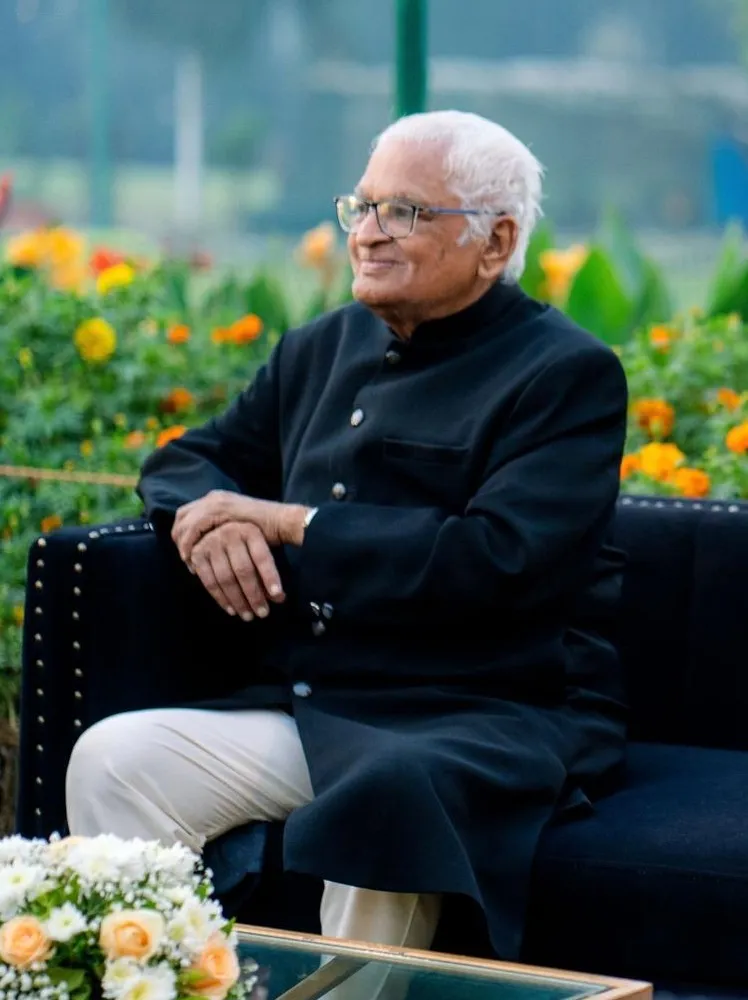
Our story · Since 1907
One belief,
carried forward.
A textile mill, a family and a city grew around the same ground.
The record, 1907 to 2026
One continuous thread.
-
1907 A mill takes root
-
15th August 1907 Jamshri is incorporated Incorporated
Lalji Narayanji, an entrepreneur from Jamnagar, establishes the company to manufacture cotton textiles. This is the legal beginning of today's Jamshri Realty Limited.
-
1926 From yarn towards a composite mill Composite mill
The Gazetteer records that production was confined to cotton yarn until 1926. Weaving and cloth would become part of the composite mill that generations of Solapur knew.
-
-
1955 Taking responsibility
-
1955 A nineteen-year-old takes responsibility The acquisition
Premratan Damani acquires the distressed mill. The courage of that decision becomes the family's moral vocabulary: responsibility before comfort.
-
1958 A blood bank for the city Blood bank
The Gopabai Damani Blood Bank is established with the Red Cross and the Solapur Collector's office, inaugurated by the Governor and handed to the Red Cross to run. Social responsibility arrives at Jamshri decades before the term CSR.
-
1961 A mill at the scale of a neighbourhood 512 looms
Government records describe 512 looms, 22,132 spindles and more than 2,000 people at work. The scale shows how closely the mill and Solapur were tied.
-
1967 A seat for Solapur Solapur's MP
Surajratan Damani, elder of the founding generation and mentor to the young steward, begins three successive terms as the city's Member of Parliament, serving from 1967 to 1980.
-
1968 A school on donated land Vidya Mandir
Damani Vidya Mandir opens on land donated by Bhairuratan Damani. It remains one of Solapur's most sought-after Marathi-medium schools, oversubscribed for admissions every year.
-
1976 Workers' homes become a neighbourhood Damani Nagar
Asked to surrender land, Jamshri instead gave its workers homes. The settlement grew into a neighbourhood that still carries the name.
-
-
1985 Renewing the mill
-
1985–90 A sustained modernisation drive Modernisation
Jamshri renews spinning, weaving, dyeing and finishing through successive programmes, including a second scheme backed by financial institutions.
-
1993 Investment opens another chapter Public issue
A public issue helps fund a ₹28.02 crore modernisation programme, carrying the mill's renewal into the next decade.
-
1998–99 Quality is independently certified ISO 9002
Jamshri receives ISO 9002 certification, giving a formal standard to the discipline already expected on the mill floor.
-
-
2000s Learning to build differently
-
2000s Ankit and Ayush Arcades open a property chapter The Arcades
Jamshri develops the two buildings as its first real-estate venture. It is an early step towards learning what its land could make possible beyond textiles.
-
2015–16 Energy work receives national recognition Energy merit
The Government of India's Bureau of Energy Efficiency awards Jamshri a Certificate of Merit for energy conservation.
-
-
2018 From mill ground to city
-
1 Nov 2018 The textile chapter closes Mill closes
Manufacturing ends. The company's annual report records that employee dues, including wages, gratuity and provident fund, were paid in full.
-
Dec 2019 The name catches up with the work Realty rename
The company is renamed Jamshri Realty Limited. The ground's next purpose, recognised in law.
-
2021→ The same land takes on a new role New role
Old buildings begin serving new purposes as Jamshri City creates places to work and gather, with the mill's memory kept visible.
-
2023→ The turnaround becomes visible Turnaround
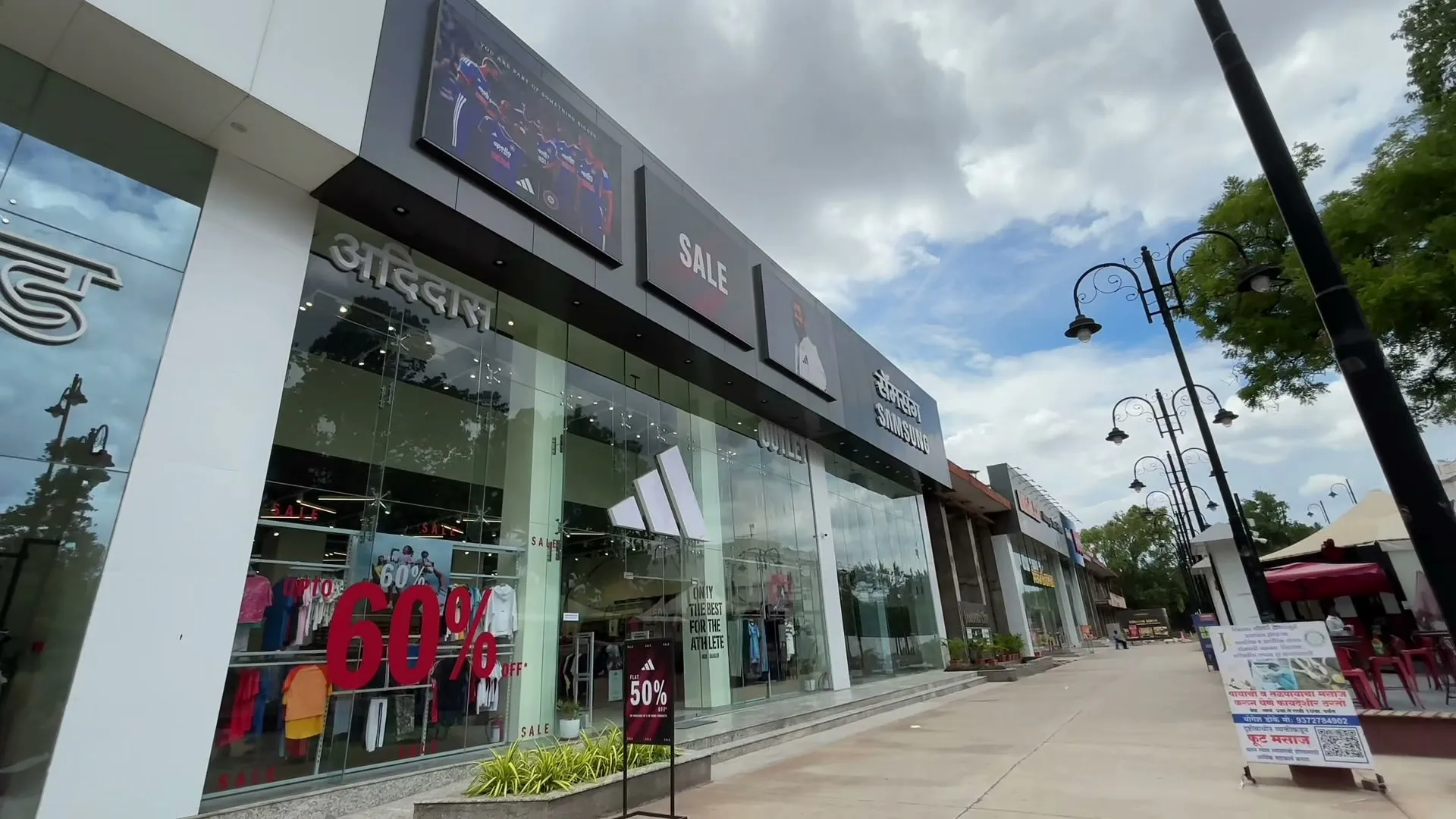
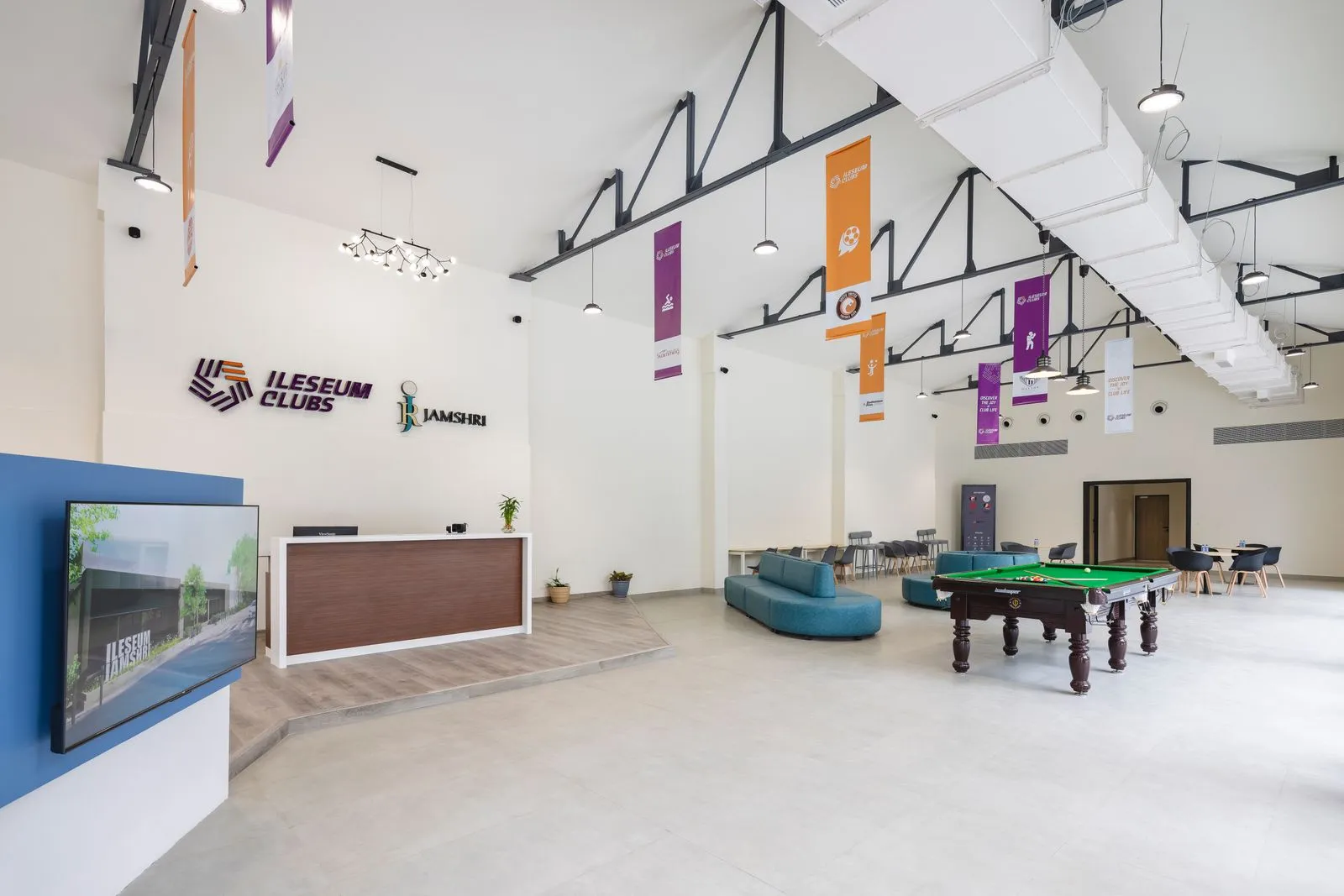
Westside opens inside the reused mill in 2023, the first anchor of Jamshri City. Ileseum Clubs brings sport and wellness to the campus in 2024. By 2026 the High Street carries names Solapur knows well: Zudio, Star Bazaar, Mr DIY, Adidas, Samsung and the Connplex cinema.
-
14 Aug 2026 Cinema enters the mill ground Connplex
Connplex Cinemas opened at Jamshri City on 14 August 2026 and has been running live shows since opening day. The campus gained its first cinema and a new anchor for its evening economy.
-
The continuous line
The work changed.
The obligation did not.
At nineteen, Premratan Damani chose the responsibility of a distressed mill in Solapur. The belief he shaped still guides the company: enterprise owes something lasting to the city that raises it.
The mill gave generations their livelihood. When textiles could no longer continue, the closure protected people first. Jamshri City now gives the same land a new public life.
See how the belief became community work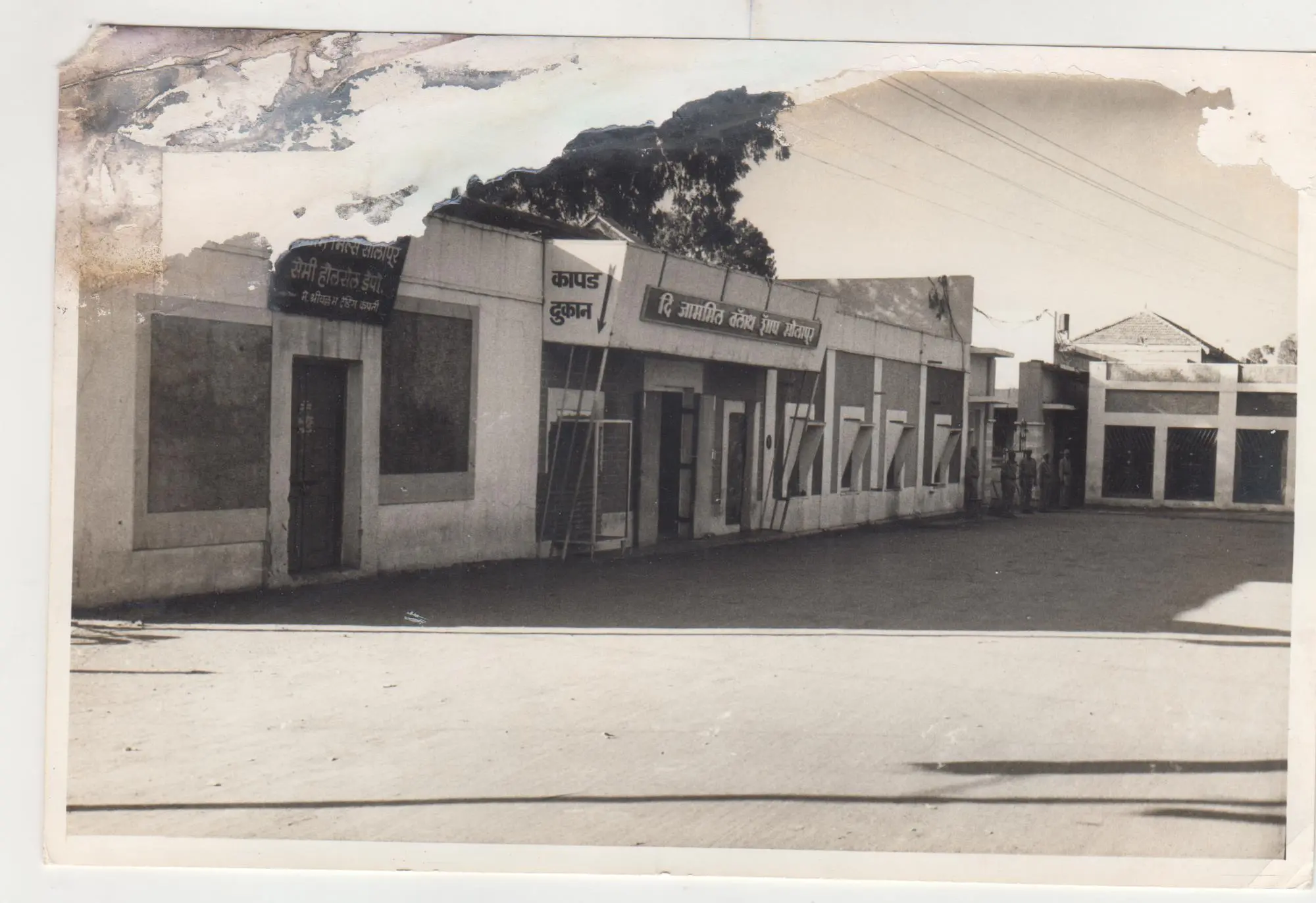 Archival photograph
 The brand through the decades
The name kept renewing itself.
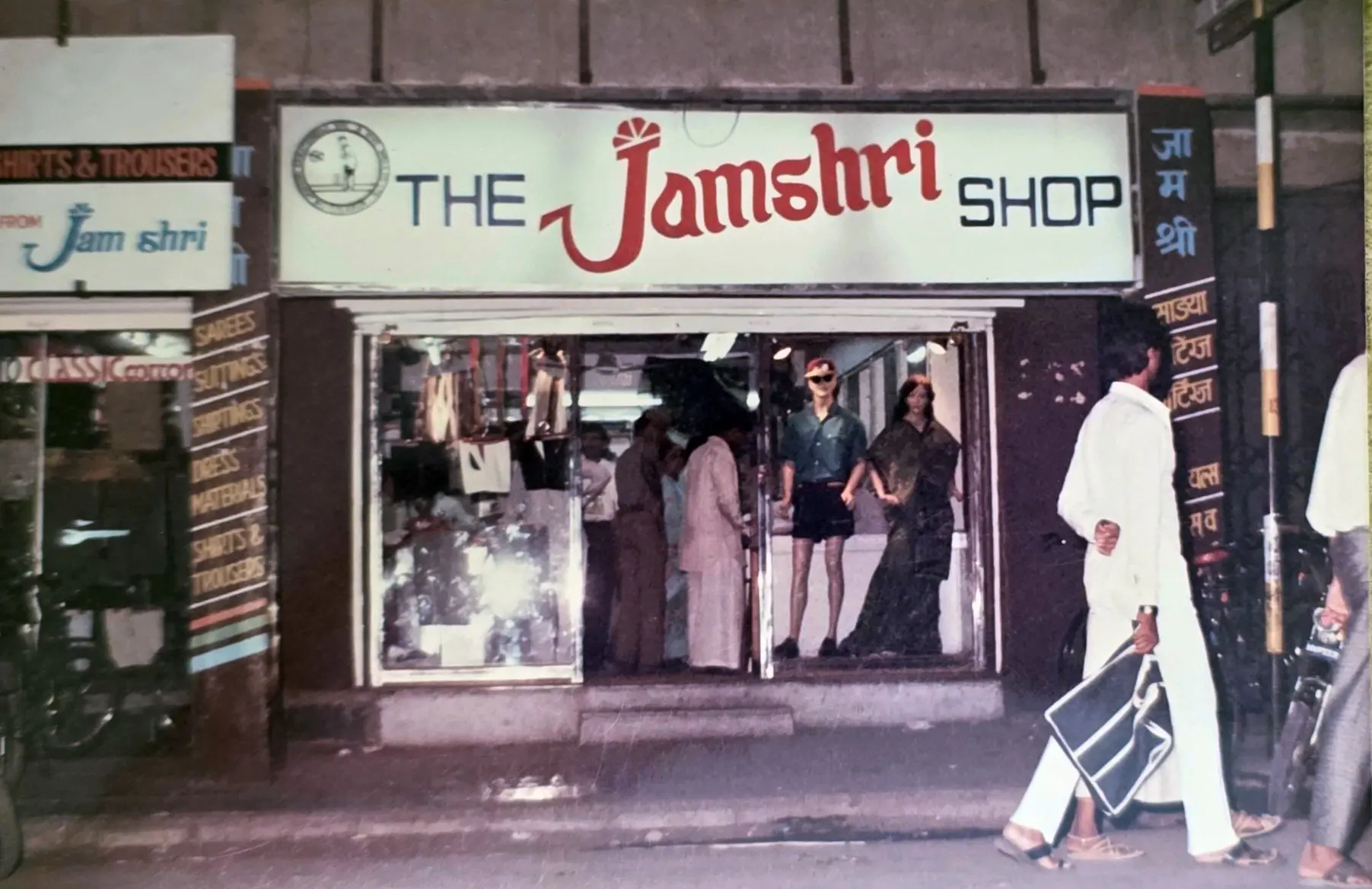
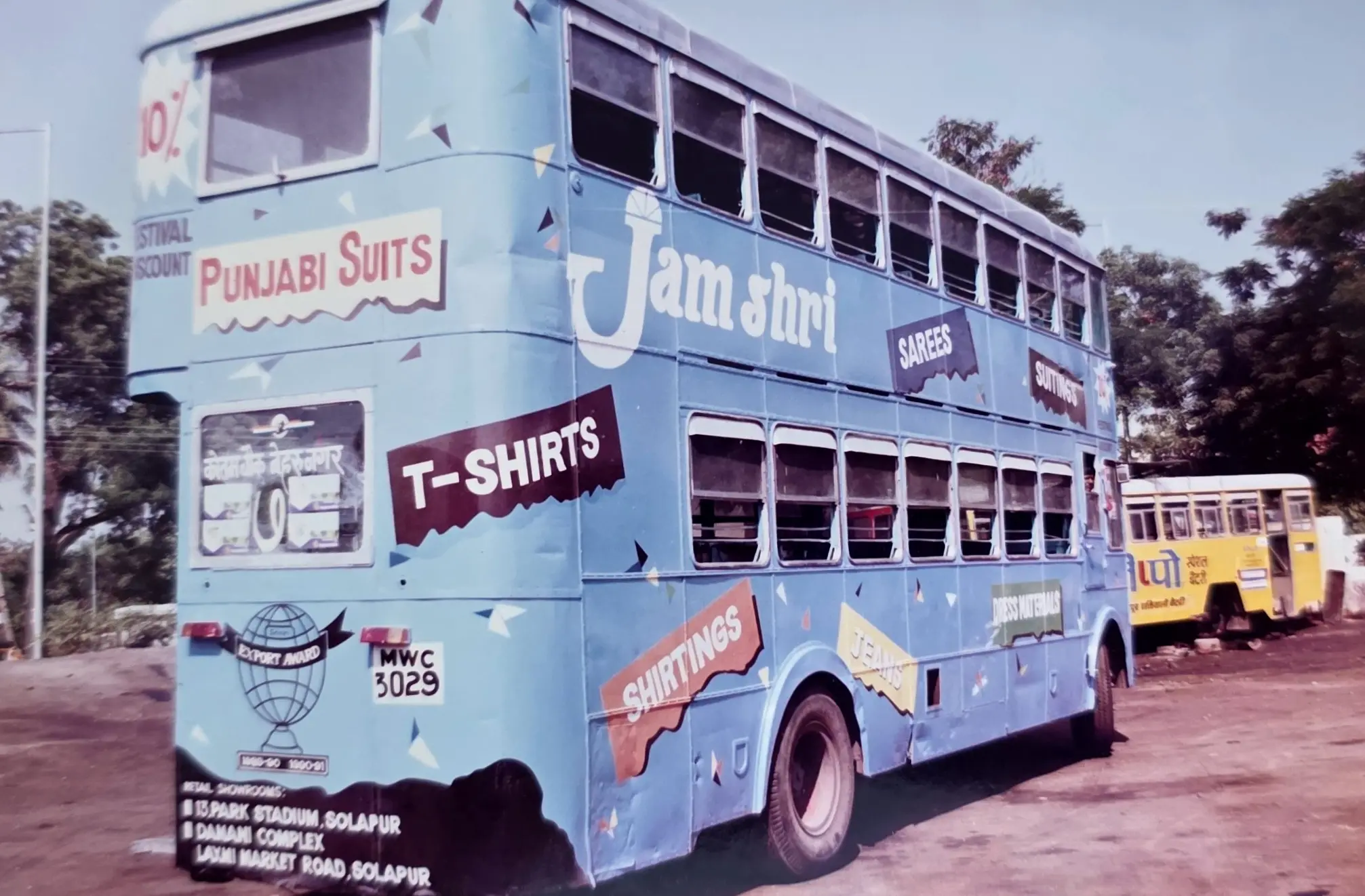
Jamshri sold under its own name, over a shop counter and along the side of a bus. The cloth reached each new generation on the terms of its day, from sarees and suitings to jeans and T-shirts.
 Archival photograph
  Archival photograph
 From 1907 to the present
Five eras,
told in full.
The record begins with Jamshri's incorporation in 1907. It follows the mill through changing work and new ventures into the estate's next life.
1907
A mill takes root
An entrepreneur from Jamnagar establishes a cotton-textile company in a Solapur already finding its identity as a mill town.
-
15th August 1907
Jamshri is incorporated
Lalji Narayanji, an entrepreneur from Jamnagar, establishes the company to manufacture cotton textiles. This is the legal beginning of today's Jamshri Realty Limited.
-
1909
The mill enters the industrial record
The Maharashtra Gazetteer dates the establishment of “Shri Jam Ranjitsingji Mill” to 1909. The two dates describe different moments: company incorporation in 1907 and the mill's establishment in the public record.
-
1926
From yarn towards a composite mill
The Gazetteer records that production was confined to cotton yarn until 1926. Weaving and cloth would become part of the composite mill that generations of Solapur knew.
1955
Taking responsibility
A young steward steps into a distressed mill, and the mill grows inseparable from the life of its neighbourhood.
-
1955
A nineteen-year-old takes responsibility
Premratan Damani acquires the distressed mill. The courage of that decision becomes the family's moral vocabulary: responsibility before comfort.
-
1958
A blood bank for the city
The Gopabai Damani Blood Bank is established with the Red Cross and the Solapur Collector's office, inaugurated by the Governor and handed to the Red Cross to run. Social responsibility arrives at Jamshri decades before the term CSR.
-
1961
A mill at the scale of a neighbourhood
Government records describe 512 looms, 22,132 spindles and more than 2,000 people at work. The scale shows how closely the mill and Solapur were tied.
-
1967
A seat for Solapur
Surajratan Damani, elder of the founding generation and mentor to the young steward, begins three successive terms as the city's Member of Parliament, serving from 1967 to 1980.
-
1968
A school on donated land
Damani Vidya Mandir opens on land donated by Bhairuratan Damani. It remains one of Solapur's most sought-after Marathi-medium schools, oversubscribed for admissions every year.
-
1976
Workers' homes become a neighbourhood
Asked to surrender land, Jamshri instead gave its workers homes. The settlement grew into a neighbourhood that still carries the name.
1985
Renewing the mill
Modern machinery, export markets and independent standards carry Jamshri through a demanding period of textile change.
-
1985–90
A sustained modernisation drive
Jamshri renews spinning, weaving, dyeing and finishing through successive programmes, including a second scheme backed by financial institutions.
-
1989–91
Exports earn recognition
The Synthetic & Rayon Textiles Export Promotion Council honours Jamshri in two successive years: 1989–90 and 1990–91.
-
1993
Investment opens another chapter
A public issue helps fund a ₹28.02 crore modernisation programme, carrying the mill's renewal into the next decade.
-
By 1998
Tennis takes root in Solapur
By the late 1990s Rajesh Damani is president of the Solapur District Lawn Tennis Association, a post he has held for decades since. Courts at the Solapur Club and a sustained coaching culture build the pipeline that produced Olympian Prarthana Thombare.
-
1998–99
Quality is independently certified
Jamshri receives ISO 9002 certification, giving a formal standard to the discipline already expected on the mill floor.
2000s
Learning to build differently
Property becomes a new way to create useful places in Solapur, even while the mill continues.
-
2000s
Ankit and Ayush Arcades open a property chapter
Jamshri develops the two buildings as its first real-estate venture. It is an early step towards learning what its land could make possible beyond textiles.
-
2015–16
Energy work receives national recognition
The Government of India's Bureau of Energy Efficiency awards Jamshri a Certificate of Merit for energy conservation.
2018
From mill ground to city
Manufacturing ends with employee dues settled, and old structures begin serving Solapur in new ways.
-
1 Nov 2018
The textile chapter closes
Manufacturing ends. The company's annual report records that employee dues, including wages, gratuity and provident fund, were paid in full.
-
Dec 2019
The name catches up with the work
The company is renamed Jamshri Realty Limited. The ground's next purpose, recognised in law.
-
2021→
The same land takes on a new role
Old buildings begin serving new purposes as Jamshri City creates places to work and gather, with the mill's memory kept visible.
-
2023→
The turnaround becomes visible
Westside opens inside the reused mill in 2023, the first anchor of Jamshri City. Ileseum Clubs brings sport and wellness to the campus in 2024. By 2026 the High Street carries names Solapur knows well: Zudio, Star Bazaar, Mr DIY, Adidas, Samsung and the Connplex cinema.
-
2025
Solapur on the world tennis map
Under Rajesh Damani's long SDLTA presidency, Solapur has hosted internationally ranked ITF women's tournaments with MSLTA year after year, drawing players from Russia, France, Japan, Thailand, Indonesia and beyond. The December 2025 edition, the $30,000 Ileseum-Jamshri Solapur Open, crowned Vaidehee Chaudhari of India.
-
14 Aug 2026
Cinema enters the mill ground
Connplex Cinemas opened at Jamshri City on 14 August 2026 and has been running live shows since opening day. The campus gained its first cinema and a new anchor for its evening economy.
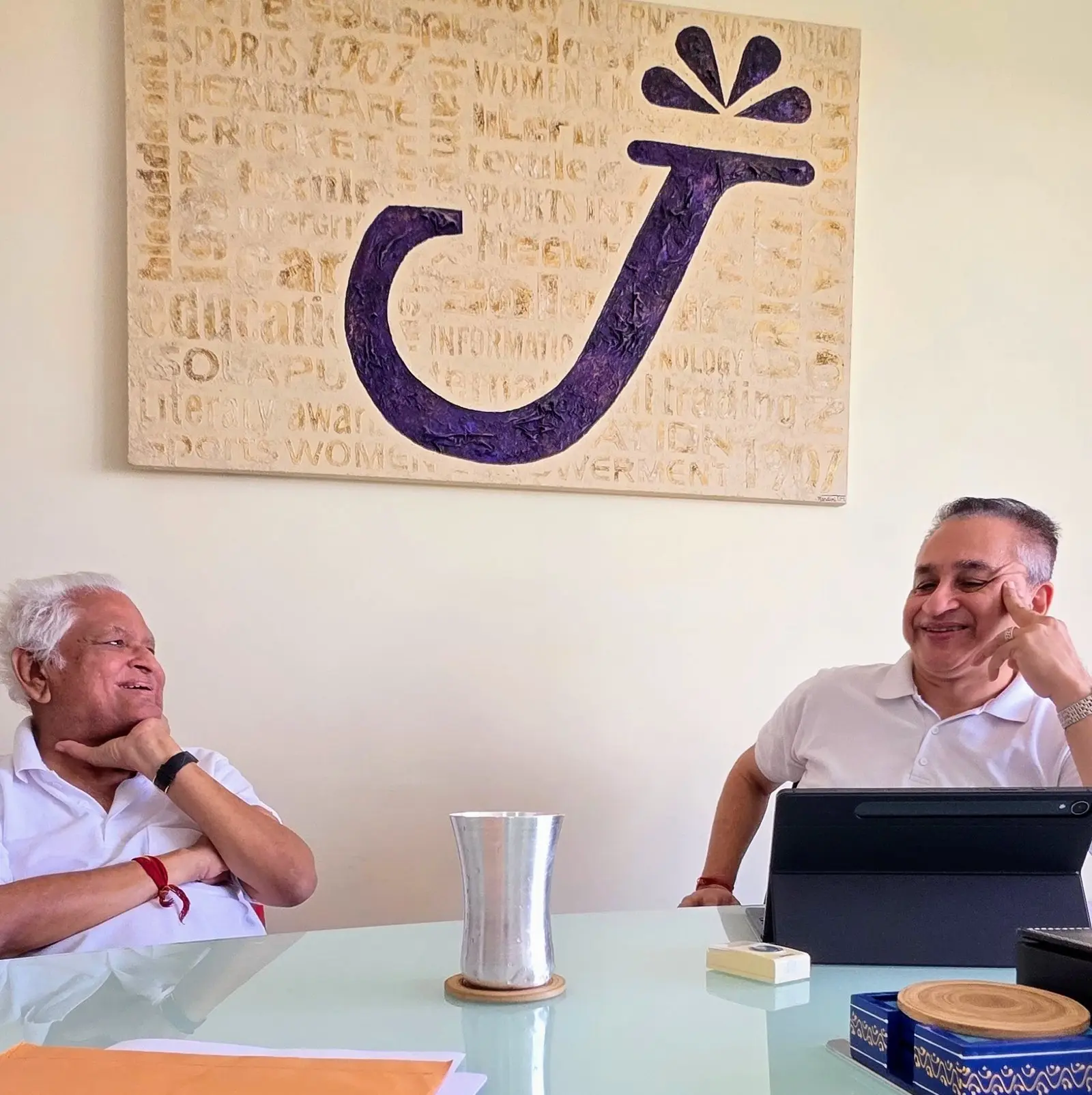
The thread continues
Every generation must put the belief to work.
That continuity now appears in reused mill structures and modern jobs. New public spaces give Solapur another way to share the estate.
How Jamshri builds todayThe story, made physical
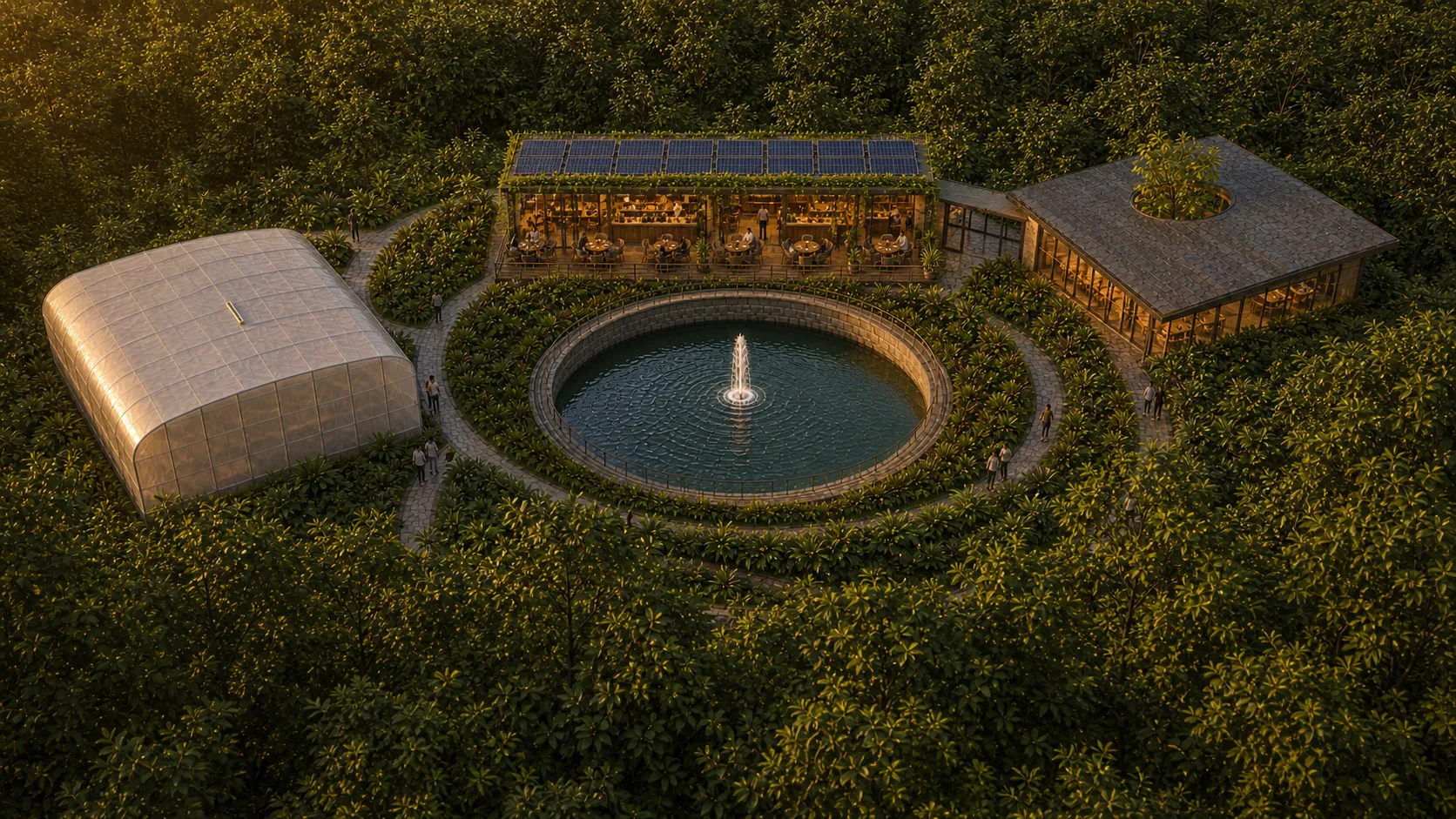
The legacy becomes a living city.
Choose the chapter most relevant to you. What is operating today is kept distinct from what remains in planning.
The question that remains
What does an enterprise owe the city that raised it?
Everything we build is an attempt to answer it.